

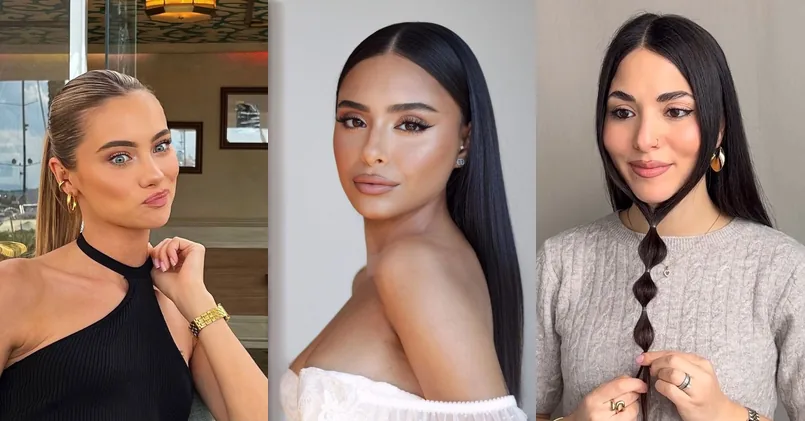
I am Sophie Grant, a career coach who spends more time on camera than I ever planned, and sleek hairstyles are the difference between looking prepared and looking like I ran out the door. When a client sees my hairline before they hear my advice, I want the line at the root to read controlled, not rushed.
This roundup is the polished hair I actually judge when I prep for workshops, keynote calls, and the days when my outfit is simple but my face is on a screen. If you want to go deeper on one shape, I keep a full guide to sleek ponytail hairstyles and a separate walkthrough for a sleek braided ponytail so you are not rereading the same technique in every article.
Lifted ponies: where the line reads on Zoom and in the room
Lifted ponies that still read sharp on video calls and in a real conference room: part placement, band height, and the details that make shine look intentional.
Middle-part pony that carries all the shine
A middle part changes how much forehead shows on camera, so I set it before any gel dries. I brush both sides evenly from the part line, tie where my crown feels strongest, and keep shine from ear level down only.
This is one of the sleek hairstyles I reach for when I wear a structured blazer and need symmetry in a headshot crop. If the part wavers, the whole pony reads soft even when the tail is perfect.
Base wrapped with a pearl or cord detail
Hiding the elastic is not vanity on workdays. It stops fine hair from snagging and gives the profile one long vertical line, which I want when I wear small studs instead of statement earrings.
A pearl or cord wrap is a one-minute detail that reads expensive in person. I twist a two-inch section, pin it in an x pattern, and skip heavy spray so the accent stays clean under fluorescent light.
Long, glossy pony with a wide arc
Length carries drama only if the root stays matte. I smooth the crown first, tie high enough to clear a collar, then add gloss from mid-shaft down so office AC does not turn oil into grease by lunch.
The wide arc works for client dinners when my outfit is pared back. I check the side profile on my phone because a glossy tail can look flat from the front and still bump at the nape.
Pin-straight, camera-ready
Pin-straight sleek hairstyles need brush discipline: one direction, thin gel layers, no rushing the hairline. I tie only after both temples feel even under my knuckles.
For recorded sessions I test under the same light I will use live. Bathroom mirrors lie about shine; a ring light or laptop camera shows every ridge I missed at the root.
Snatched center part and a narrow silhouette
A snatched center part reads assertive, which I want before a hard conversation. I keep the silhouette narrow so a headset band does not fight the shape during a long call block.
Narrow does not mean tight enough to hurt. I move the tie a quarter inch lower if I feel pull at the hairline by hour three. Polished and punished are not the same thing.
Statement length, still practical
Statement length only works for me when the band sits secure and the ends look healthy. Dry tips make even a perfect root read cheap in photos, so I trim on schedule even when I am busy.
I test with a blazer on before I leave. If the pony hits the collar wrong, I adjust height half an inch instead of fighting the fabric all day.
Half-up elevated pony with sleek contours spring 2026
Half-up elevation gives face-framing softness without undoing a clean part. I still flatten temples and crown; only the front gets intentional movement.
Spring 2026 office light is harsh on the hairline, so I check the front camera before I commit to a glassy root. Video calls judge the forehead more than the tail.
Slicked back ponytail 2026 elegant high pony
A slicked-back high pony needs the crown brushed in one direction before the elastic goes on. I use a boar-bristle brush and clear gel in thin passes, not one heavy coat.
Elegant here means controlled shine, not wet look. One mist at the part, then I stop. Layering product is how I end up fixing the same pony twice before lunch.
High sleek ponytail polished base
The polished base is the whole job on camera days. I wrap a thin section around the band, set with one pin, and accept a tiny bump at the crown so the scalp still looks human.
High placement reads confident in a room and in a thumbnail. If my neck feels strained, I lower the tie slightly and keep the sides flat; the profile still reads sleek.
Blonde high ponytail aesthetic curled
A slight curl at the ends breaks up a straight line so the style does not go flat in afternoon meetings. I curl after the pony is tied, not before, so tension stays even.
On lighter hair, shine shows every ridge at the root. I keep the crown matte and let the bend carry the polish from the shoulder down.
Prom glam sleek pony half up
Prom-level glam has a lesson for work: one focal point, calm everywhere else. I borrow the half-up lift for days I need extra polish without a full updo.
I keep jewelry minimal when the hair already frames the face. Under office light, competing shine on ears and hairline reads busy on a small video tile.
Pretty ponytail cute aesthetic
Cute aesthetic boards still teach order of operations: part, smooth, tie, wrap. I copy the sequence, not every product on the counter.
Pretty on Pinterest becomes professional when the sides stay flat and the band is hidden. That is the filter I use before I save any sleek hairstyles to my work folder.
Buns: when you need six hours of contact without a mirror
Buns built for long meeting blocks and no bathroom checks: compact shape, sealed edges, and placement that survives a headset.
Softer bridal-adjacent placement
Bridal-adjacent placement sits slightly higher and softer at the hairline, which I adapt for client lunches when I need polish without stiffness. I still seal the temples before I coil.
Softer does not mean messy. I use fewer pins but each one crosses under the twist so fine hair does not slip by hour four.
Top knot with controlled sides
A top knot buys a clean neck line for days I wear a high collar or scarf. I build the coil above where a headset would rub, then lay sides with a damp toothbrush.
Controlled sides are what separate a work top knot from a gym knot. I brush in one direction, gel in thin layers, and stop before the crown goes plastic under AC.
Nape-tight minimal bun
Nape-tight is my default when the dress code is quiet and the goal is hair off my neck for six hours. I use two crossed pins instead of one if my hair is fine.
Minimal means I skip decorative pins and let the shape speak. I check profile on my phone because fluorescent light hides humps the bathroom mirror misses.
Minimalist glass-hair low bun
Glass-hair at the nape is a thin gel layer and patience, not a bucket of product. I work the front first, set the part, then twist low so the line stays symmetrical on video.
Minimalist sleek hairstyles fail when people chase mirror shine and forget side angle. One pass with a boar brush at the end beats three sprays mid-meeting.
Professional long sleek ponytail look
This pin lives in the bun group because the same smooth root feeds both shapes. I smooth the crown, tie secure, and decide late whether to leave a tail or coil into a bun.
Professional long length reads sharp when the sides stay flat and the band sits flat, not sagging. I use a fabric-covered elastic and one wrap section at the base.
Old money elegant ponytail styles guide
Old money elegant is code for restraint: one clean line, no competing accessories, matte root with controlled length. I treat guide boards as a menu for height, not a product shopping list.
I pick one placement for the week, high for camera days and lower for long desk blocks, and ignore the rest. Most sleek hairstyles fail from uneven tension, not from missing the right pin.
Clean slick hairstyles for wedding guest glam
Wedding guest glam teaches placement: compact twist so a collar does not fight the shape. I borrow that logic for keynote days when I need photo-ready hair without a stylist.
Clean slick means I lay edges on purpose, then stop. Extra gel after the bun is set is how I get crunch that reads greasy in natural light.
Sleek middle part formal straight hair
Formal straight hair with a middle part needs the part set before gel sets. I coil or pony from that line so symmetry holds in a headshot crop.
I soften brows slightly when the pull is tight at the crown. Otherwise I can look severe under office light even when the bun itself is perfect.
DIY sleek hairstyle at home
DIY at home is order of operations: brush direction, gel layer, tie or twist, pin. I watch tutorials once for hand placement, then mute the product hype.
If I have ten minutes before a call, I skip decorative steps and focus on a clean part and hidden band or secure pins. That alone reads sleek under fluorescent light.
Braids and hybrid styles: structure without a headache
Braids and hybrid sleek shapes that add structure without extra tension at the hairline: tight base, intentional edges, one focal detail.
Braid that starts in a high-gloss base
I smooth the crown into a high-gloss base before any braid starts. If the root is messy, the braid reads amateur no matter how tight the pattern is.
High-gloss here means controlled, not wet. One clear gel pass, brush set, then braid so I am not fighting slip while my hands are full.
Braid continuing from a tight lift
Continuing the braid from a tight lift keeps one vertical line from crown to tail. I tie the pony first, check tension evenly, then braid down so the base does not shift.
This hybrid is my compromise when a plain pony feels too simple for a panel but a full updo feels like too much. Structure without a headache is the goal.
Polished, edges laid on purpose
Laid edges are a choice, not an accident. I use a small brush and light edge control at the temples, then stop before the hairline looks glued.
Polished hybrid sleek hairstyles work on camera when the braid is tight and the front stays symmetrical. I check the front-facing camera because that is what the client sees first.
Twisted bun half up half down sleek straight
Half up half down lets me seal the crown while leaving length for movement. I twist the upper section, pin compact, and keep the down panel brushed smooth.
Sleek straight in the lower half only works if the root panel is flat. I do not add volume at both crown and nape; one focal point keeps the look work appropriate.
Ponytail with side braids and headband
Side braids break a straight line so the style does not go flat by mid afternoon. I keep the braid tight and the crown simple so the detail reads intentional, not costume.
A headband can help lay the front on humid commute days. I choose a thin band that sits flat under a headset, not one that bumps above the ear on long calls.
Long hair with bangs half-up braid
Bangs change how much forehead I show, so I set them before I lift the half-up section. I braid from a secure base so bangs do not get pulled off-center during the day.
Long hair adds weight that loosens braids by lunch. I anchor with an extra pin at the base of the half-up tie, not more spray at the crown.
Straight hair ponytail on black woman
Straight sleek lines on textured hair need moisture balance at the root and heat protection if I stretch first. I work in sections so tension stays even from hairline to band.
Representation in reference photos matters because edge control and part placement read differently on different textures. I adapt product amount, not the standard for what polished means on my calendar.
Easy fall sleek hairstyle tutorial
Fall tutorial pins are useful for sequencing: prep, smooth, braid or tie, finish. I copy timing, not every bottle on the counter.
Easy here means fewer steps, not lower standards. One clean part and a secure base still read professional when the outfit is doing the rest.
Y2K sleek hairstyle inspiration
Y2K inspiration is height and a flat crown, which I dial down for work by lowering the tie a half inch and keeping shine off the root.
I borrow the silhouette, not the full gloss. A moderated version still reads current without looking like I am heading to a concert instead of a coaching session.
Sleek at the root, movement through the length
Sleek roots with intentional movement through the lengths: glass finish at the part, body past the shoulder, still appropriate for work and camera.
Big body at the end, no chaos at the root
Body at the ends keeps sleek hairstyles from looking stringy on camera. I add bend or volume from ear level down only, never at the root first.
Chaos at the root is what makes a style read rushed. I spend my minutes on the part and temples, then one pass on the tail so the contrast looks deliberate.
Deep side part, glass finish
A deep side part changes how my face reads in a thumbnail. I set the part before gel dries, brush both sides flat, and keep glass finish to a thin layer.
Glass finish fails under office AC if I overdo serum. I mist lightly at mid-shaft, brush through, and accept a little natural texture at the ends.
Wrapped pony with executive polish
Executive polish is a hidden band and flat sides, full stop. I wrap a two-inch section, pin in an x, and skip heavy spray so the profile stays long and clean.
I pair this with a structured blazer when I need authority without loud jewelry. The hair stays the quiet line so the conversation stays central.
Silky, slightly retro arc
A retro arc at the ends softens an otherwise sharp pony. I curl away from the face after the tie is set so I do not loosen tension at the base.
Silky length reads expensive only if ends are healthy. I trim on schedule because dry tips undo even a perfect root in client photos.
Everyday high pony, still work appropriate
Everyday does not mean sloppy. I use the same root routine as presentation days, just fewer finishing steps on the tail.
Work appropriate high pony means matte crown, secure band, and no wet look at the part. That trio survives a commute and a ninety-minute workshop.
Classy work hairstyles for long hair
Long hair on workdays needs weight management. I tie where the crown feels strong, wrap the band, and check that a headset or chair headrest will not crush the shape.
Classy here is controlled movement, not zero volume. I tease gently at the base of the pony if needed, never at the hairline where camera light is harshest.
Long straight sleek hairstyles
Long straight sleek hairstyles live or die on even tension. I comb each section into the pony from the same angle so bumps do not show in profile.
I add a lightweight ends treatment before the final brush pass. Thin ends make a long pony read unfinished even when the root is flawless.
Blonde curly hair sleek styling
Sleek styling on curly blonde hair means stretching or brushing with heat protectant first, then sealing the root without crushing natural texture at the ends.
Blonde shows every ridge at the crown, so I keep product minimal there. I let the length keep a little movement so the look reads polished, not helmet.
Classy hair down wedding guest
Hair down with a sleek root is my option when an updo feels too formal for a daytime event. I flat iron or brush the crown panel, then let the rest fall with soft bend.
Wedding guest polish translates to keynote days: controlled hairline, healthy shine on the lengths, accessories that do not compete with my face on camera.
Stunning hairstyle ideas for parties and everyday
Party boards are a mood board for finish level. I note shine placement and part depth, then scale down product for Tuesday calls.
Everyday stunning is repeatable technique, not a new product haul. Clean part, secure base, one finishing pass on the lengths: that is the sleek hairstyles loop I actually use.
FAQ
What counts as a sleek hairstyle for a professional day?
For me it is a controlled hairline, flat or intentionally parted roots, and a shape that stays neat for several hours without constant fixes. A sleek pony, bun, or hybrid braid all qualify if the silhouette reads intentional on camera and in person, not like I gave up halfway through getting ready.
How do I get sleek hair without it looking greasy by lunch?
I keep shine off the scalp, use clear gel in thin layers at the root, and add serum or gloss from ear level down only. Office air dries product fast and turns oil into grease, so I refresh with a damp brush at the hairline instead of stacking more product on top.
Which tools are worth the money if I only buy one?
A dense boar-bristle brush does more for my sleek hairstyles than most serums. It lays the cuticle, helps gel distribute evenly, and works on damp or dry hair before a call. If I had a second pick, it would be fabric-covered elastics that sit flat without kinking fine hair.
How is this different from a basic ponytail tutorial?
A basic tutorial usually covers one height and one band wrap. This roundup compares ponies, buns, and hybrid braids for work and camera light, with placement and tension notes I use as a coach on long days. You get decision logic, not just tie hair and go.